
What Is Phone SAR Value?
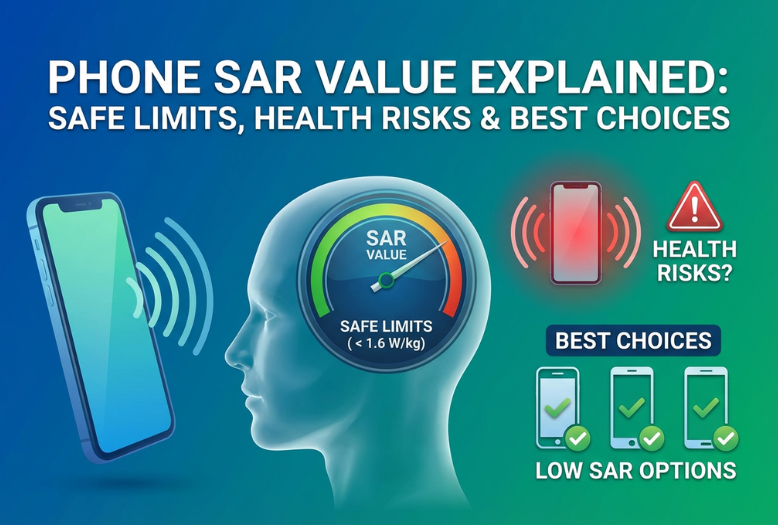
SAR stands for Specific Absorption Rate. It represents the rate at which the human body absorbs radio frequency (RF) energy from a mobile phone. When your phone communicates with a cellular network, it emits RF waves. The SAR value measures how much of this energy is absorbed by your body when using the phone close to your head or body.
SAR is measured in watts per kilogram (W/kg) and is determined under controlled laboratory conditions to simulate worst-case exposure. The focus on SAR values stems from ongoing discussions about long-term exposure to RF radiation and its potential biological effects.
Why Phone SAR Value Matters
As smartphones have become essential tools for communication, entertainment, and work, concerns about prolonged exposure to RF energy have grown. While there is no definitive evidence that smartphone radiation causes serious health issues, regulatory bodies and health researchers recommend awareness and sensible precautions. A lower phone SAR value means less RF energy is absorbed by the body during use. For people who spend a lot of time on calls or keep their phones close to their bodies, choosing a device with a lower SAR value can be a conscious choice for long-term comfort.
Safe Phone SAR Value Limits Around the World
Different countries set legal limits for phone SAR value to ensure consumer safety:
The maximum permitted SAR value in the US and India is 1.6 W/kg.
European Union: Maximum allowed SAR value is 2.0 W/kg.
Phones must meet these regulatory limits before they can be sold legally. Staying below the limit means the phone is considered safe for normal use, but phones with significantly lower SAR values are often preferred by health-conscious consumers.
How Phone SAR Value Is Tested
SAR testing involves placing a phone near a model of the human head or body filled with a liquid that simulates human tissue. The phone operates at its highest power level, transmitting RF energy while scientists measure the energy absorbed by the simulated tissue.
This testing ensures that the SAR values reflect the highest potential exposure during intense network use rather than average daily conditions. This means a phone’s SAR value represents worst-case exposure, not typical everyday usage.
Health Risks and What Research Says
Scientific studies on SAR values and human health are ongoing. Some research suggests that long-term exposure to RF energy could have subtle effects on biological tissues, particularly when phones are used heavily. For this reason, consumer safety standards include significant safety margins.
Health authorities, such as the World Health Organization, classify RF exposure as “possibly carcinogenic,” indicating that more research is needed to reach definitive conclusions. At the same time, regulatory limits are designed to minimize potential risk by requiring that phones operate below accepted SAR thresholds.
Myths About Phone SAR Value
There are several misconceptions about SAR values:
Myth: Low SAR phones have weaker signals.
Reality: SAR values are independent of signal strength; a phone can have a strong network connection while maintaining a low SAR value.
Myth: Expensive phones always have low SAR.
Reality: Price and SAR value are unrelated. A flagship phone could have a higher SAR value and still comply with safety standards.
Myth: SAR values change with daily use.
Reality: SAR values are fixed for a phone model as tested in a lab. Real-world exposure varies by network strength, usage pattern, and proximity to the body.
How to Check Phone SAR Value
You can find a phone’s SAR value through several reliable sources:
Manufacturer’s official website and technical specifications
Phone packaging or user manual
National telecommunications regulatory database
Some phones allow checking SAR via USSD or diagnostic menus
Always review both head and body SAR values, as both represent different usage scenarios.
Tips to Reduce Daily Radiation Exposure
Even if a phone meets legal SAR limits, there are simple steps you can take to reduce your RF exposure:
Use a wired earpiece or Bluetooth headset for long calls
Switch to speakerphone when possible
Avoid placing the phone directly against your body
Prefer texting over long voice calls
When you sleep, keep your phone away from your pillow.
These lifestyle habits can help lower your overall exposure throughout the day.
Phones With Low SAR Values Best Choices
If minimizing radiation exposure is a priority for you, consider devices that have stood out for their low phone SAR value. The following list includes well-known phones and models with notably low SAR ratings based on publicly available data.
Popular Low SAR Phones
Samsung Galaxy M31 and similar Samsung models: These devices are reported to have SAR values under 0.5 W/kg in some tests, making them among the safer smartphones for regular use.
Redmi Note 8: One of the most popular phones in India with a very low SAR value around 0.25 W/kg.
Realme Narzo 10: Mid-range device with a moderate SAR value around 0.86 W/kg.
OnePlus 8 / 8 Pro: Offers performance and lower SAR values near the middle of the list at around 0.96 W/kg.
In addition to these, globally recognized low SAR models include older flagships like the Samsung Galaxy Note 10+ (0.19 W/kg) and ZTE Blade V10 (0.13 W/kg), known for some of the lowest recorded SAR values for head exposure.
Modern Phones With Balanced SAR and Features
Here are some phone recommendations that balance performance, user reviews, and relatively lower SAR values:
Redmi A5: Budget-friendly choice with good performance and typically lower radiation emissions compared to premium models.
Poco C75 5G: Affordable 5G phone with balanced specs and SAR likely within safe regulatory limits.
Oneplus Nord Ce5 5g: Mid-range 5G phone with decent performance; often reported to have moderate SAR values for everyday use.
Oppo Reno14 5G: Premium mid-tier phone with strong user ratings and safe emission levels.
Apple iPhone 16e: Popular modern smartphone with good performance; Apple phones typically comply with regulatory SAR limits.
Remember that specific SAR values may differ by market region and testing standard, so always check the official specifications for the exact numbers.
Final Thoughts on Phone SAR Value
Phone SAR value is an important technical specification that indicates how much radiofrequency (RF) energy the human body may absorb while using a mobile phone. Although all legally sold smartphones comply with government safety limits, certain models are designed with lower SAR values, making them a better choice for users who prefer minimal RF exposure. If you are upgrading to a phone with a lower SAR value, it also makes sense to sell old phone and switch to a safer, more efficient device.
